
-
Pagid BMW G80 M3 / G82 M4 / G87 M2 Front Brake Pads - RS-29 Race Compound - U-8302
Regular price $485.17 USDRegular price -
Pagid U-4931 Racing Pad - RSL-1 Compound
Regular price $515.90 USDRegular price -
Pagid U-4927 Racing Pad For Ceramic Rotors - RSC-1 Compound
Regular price $788.24 USDRegular price -
Pagid Porsche 991/992 GT3 / Cayman GT4 Rear Brake Pads - RS-29 Race Compound - U-4925
Regular price $589.53 USDRegular price -
Pagid Porsche 991/992 GT3 / Cayman GT4 Front Brake Pads - RS-29 Race Compound - U-4924
Regular price $720.53 USDRegular price -
Pagid U-2487 Racing Pad - RST-3 Compound
Regular price $433.37 USDRegular price -
Pagid U-2405 Orange Racing Pad - RS44 Compound
Regular price $379.92 USDRegular price -
Pagid U-1903 Yellow Racing Pad - RS29 Compound
Regular price $628.83 USDRegular price -
Pagid U-1295 Yellow Racing Pad - RS29 Compound
Regular price $408.73 USDRegular price -
Pagid U-4929 Racing Pads - RST-3 Compound
Regular price $517.54 USDRegular price -
Pagid Ford Mustang GT (2015+) Rear Brake Pads - RS-29 Race Compound - U-8204
Regular price $296.07 USDRegular price -
Pagid U-1539 Racing Pads - RST-3 Compound
Regular price $660.27 USDRegular price -
Pagid U-8051 Racing Pads - RSL-1 Compound
Regular price $371.79 USDRegular price -
Pagid U-4927 Racing Pads - RSL-1 Compound
Regular price $822.97 USDRegular price -
Pagid U-1607 Racing Pads - RST-3 Compound
Regular price $439.65 USDRegular price -
Pagid U-4928 Racing Pads - RST-3 Compound
Regular price $683.01 USDRegular price

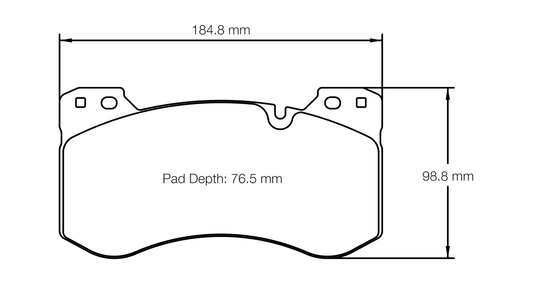


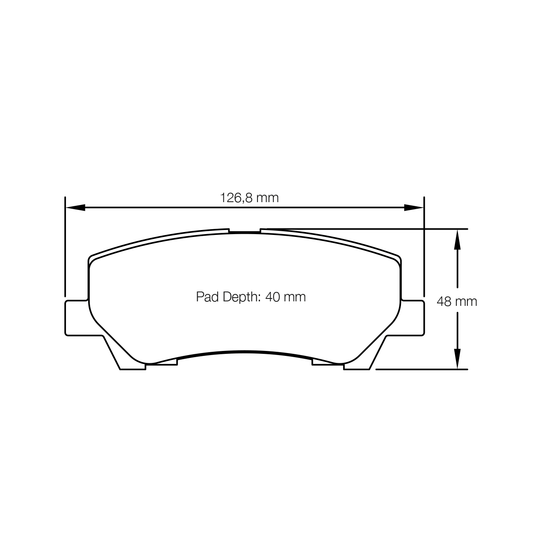


About Pagid Brake Pads
Pagid is a track-first pad brand, and on a Pagid pad the compound code is the whole decision. Everything else — the shape, the caliper, the car — follows from the U-number. Nine compounds are stocked here; these are the seven with a range behind them.
Choosing a compound
- RS29 (Yellow) — the biggest range here, and where most people land. Endurance pad life with more initial bite than RS19.
- RS19 (Yellow) — Pagid's endurance compound, to 600°C. Lowest pad and rotor wear, lightest pedal effort over a long stint.
- RS14 (Black) — the sharpest of the three. High initial bite, fade resistant to 650°C. RS19 and RS29 are both derived from it.
- RST-3 — medium high-friction, and the widest range of use: GT, touring, rally and prototype.
- RSL-1 — built for long-distance racing. Less aggressive than the RST pads, very low pedal effort.
- RS44 (Orange) — disc friendly with stable torque. Pagid's own recommended rear pairing with RS14 fronts.
- RSC-1 — for ceramic rotors only. PCCB and equivalent; not interchangeable with the pads above.
RS42, RST-1, RST-2, RST-4, H29E, RSH3, RSH-29E and RSL-29 are also stocked in smaller numbers and appear in this full list.
Reading the listings
Every Pagid pad names its compound and its U-number in the title — U-1203, U-2405 and so on. The U-number is the pad shape, not the car, so one number covers every car that runs that caliper. If you already know which Pagid fits yours, searching the U-number is the fastest route. Several listings also name the brake package in brackets; read it before ordering, because front and rear are separate part numbers.
If you are moving to Pagid from a street pad, expect more noise and more dust when cold. That is the compound working as designed, not a fault.